
LSR is commonly used for high‑precision injection molding, while HCR is often selected for extrudable or compression molded components. Both are widely used in wearable devices depending on design and manufacturing needs.
What is the purpose of your visit today?
If you need immediate assistance, please call 1-800-295-2392 or click below to call one of our regional representatives. Call Regional Customer Service Representative
Click here to view our privacy policy

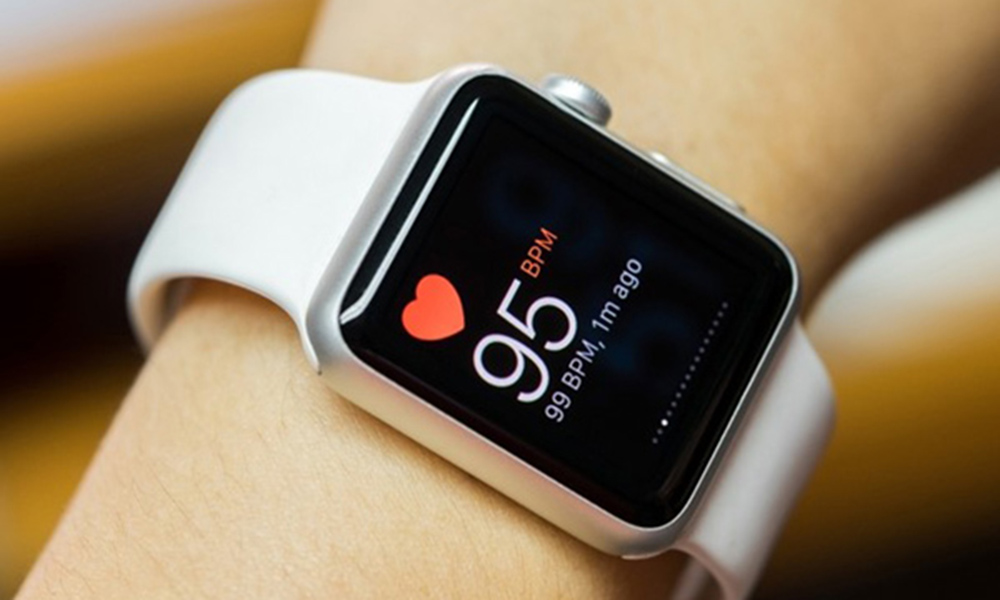
Wearable electronics and devices are designed to be worn on the body to monitor, collect, and transmit health and performance data. In healthcare, fitness, and consumer applications, material selection plays a critical role in comfort, durability, and long‑term reliability. With medical‑grade silicone elastomers and soft skin adhesives, Momentive supports wearable applications such as glucose monitoring systems, wearable ECG devices, smart skin patches, encapsulated sensors, hard‑soft integrated components, and smart textiles.
Wearable electronics and devices typically use liquid silicone rubber (LSR), high consistency rubber (HCR), and silicone soft skin adhesives. These materials offer flexibility, durability, and biocompatibility required for skin‑contact and electronic protection applications.
Medical‑grade silicone is designed to meet biocompatibility and regulatory requirements, making it suitable for prolonged skin contact. It helps support patient comfort, device safety, and consistent performance in healthcare wearables.
LSR is commonly used for high‑precision injection molding, while HCR is often selected for extrudable or compression molded components. Both are widely used in wearable devices depending on design and manufacturing needs.
Silicone soft skin adhesives are used in wearable patches such as glucose monitoring and ECG devices. They provide secure adhesion while allowing gentle removal and improved wearer comfort during extended use.
Silicone elastomers can be used to encapsulate wearable sensors, providing moisture resistance, electrical insulation, and flexibility while maintaining device performance in demanding environments.
Yes, silicone materials can be used as coatings, encapsulants, or flexible components in smart textiles. Their elasticity and durability make them well‑suited for wearable electronics integrated into fabrics.
Silicone materials offer a combination of softness, flexibility, and skin compatibility, helping wearable electronics and devices remain comfortable and reliable during continuous or extended wear.